Exploring Shein’s Market Opportunities in the Sustainable Fashion Industry
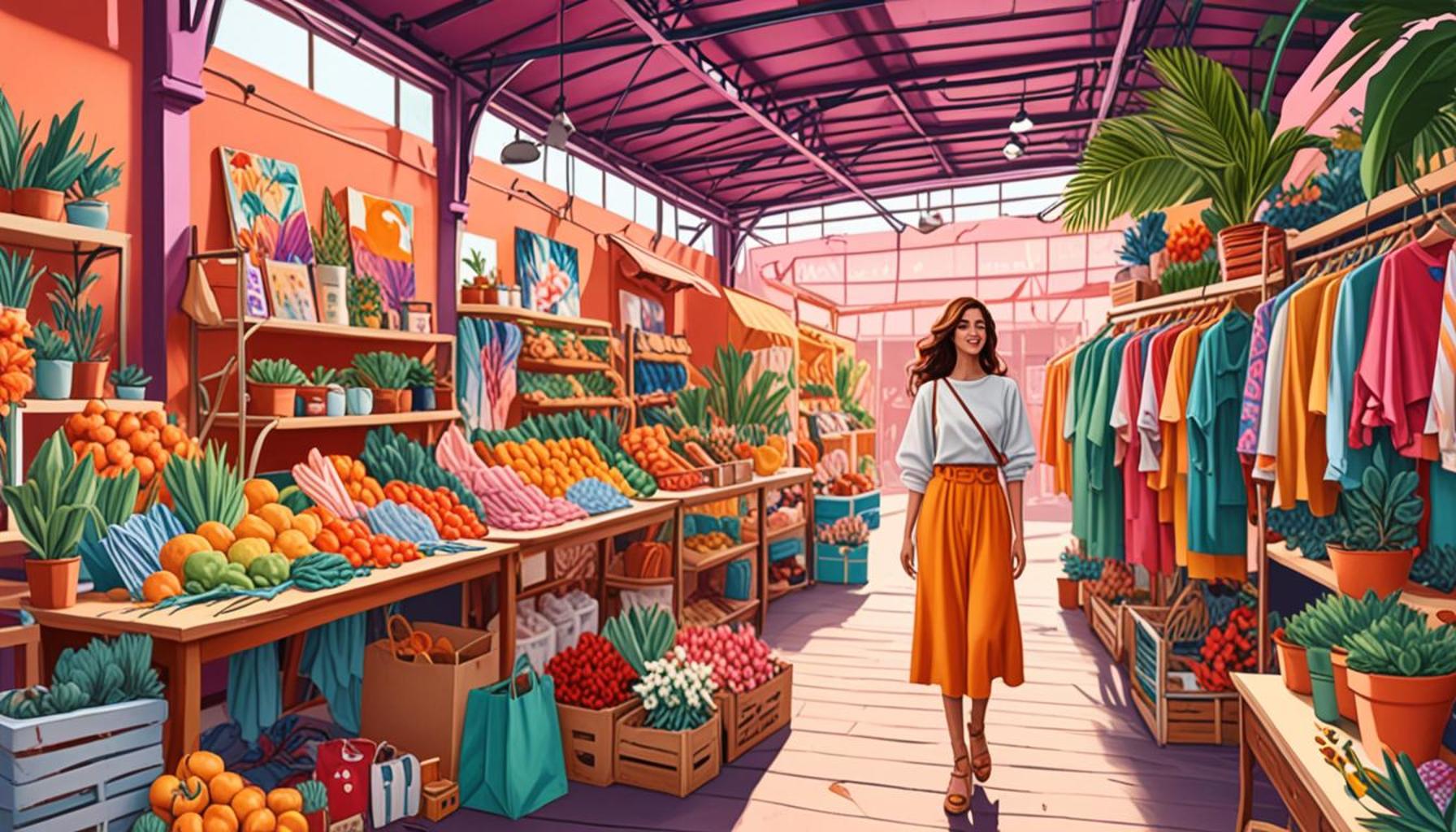
Market Dynamics of Sustainable Fashion
With the increasing awareness around climate change and environmental degradation, consumers are becoming more discerning about their purchasing choices. The demand for eco-friendly products has surged, prompting various industries, including fashion, to reassess their operational practices. As a leader in fast fashion, Shein is confronted with both the challenge of maintaining its rapid production cycles and the opportunity to align its business model with the principles of sustainability.
Consumer Awareness and Ethical Considerations
Today’s consumers are more informed and concerned about the environmental and ethical implications of their purchases. Reports suggest that approximately 66% of global consumers are willing to pay more for sustainable brands, indicating a seismic shift in shopping preferences. This trend is particularly prominent among younger demographics, including millennials and Generation Z, who prioritize eco-consciousness over fast consumption. As part of this movement, consumers are increasingly scrutinizing brands for their sustainability claims and labor practices, ushering in a new era where transparency is non-negotiable.
Opportunities for Shein
As Shein looks towards a sustainable future, several clear pathways emerge that could redefine its market strategy:
- Investing in Eco-Friendly Materials: By transitioning to organic cotton, recycled polyester, and other sustainable fabrics, Shein could not only mitigate the environmental impact of textile production but also attract consumers eager for environmentally-responsible options.
- Implementing Transparent Supply Chains: Establishing traceable sourcing and transparency throughout the supply chain could build consumer trust. By sharing information about labor conditions and environmental practices, Shein can enhance its brand credibility and appeal to ethically minded shoppers.
- Engaging with Environmentally-Conscious Consumers: Active engagement through social media campaigns, newsletters, and sustainability initiatives can cultivate a loyal community. Collaborating with eco-influencers and participating in sustainability-focused events can amplify awareness and loyalty among consumers.
The Competitive Landscape
In an increasingly competitive landscape, where legacy brands innovate alongside emerging sustainable labels, Shein’s pivot towards sustainability could enhance brand loyalty and broaden market share. Furthermore, initiatives like buy-back programs or clothing recycling schemes could resonate strongly with consumers seeking to combat the detrimental effects of fast fashion.
As the U.S. market shifts its focus towards sustainability, it is vital for Shein to not only adapt but also to lead in this movement. The promise of a sustainable future in fashion lies not only in appealing to the modern consumer but also in making tangible commitments that resonate beyond profit margins.
DISCOVER MORE: Click here to learn about market opportunities in sustainable fashion
Assessing Market Trends in Sustainable Fashion
The sustainable fashion industry is rapidly expanding, fueled by changing consumer attitudes and the pressing urgency to address environmental issues. In recent years, the notion of sustainability has transcended niche markets and is now a significant force driving the fashion sector. The global sustainable fashion market is projected to reach approximately $8.25 billion by 2023, a clear indication of the immense opportunities waiting to be tapped. For Shein, a leader in fast fashion, recognizing these trends is pivotal for aligning its growth strategy with broader societal values.
Shifting Buyer Preferences
Understanding consumer preferences is crucial as shoppers increasingly gravitate towards brands that showcase a commitment to sustainability. According to a 2022 survey conducted by McKinsey & Company, 67% of consumers view sustainability as a top priority when selecting fashion brands. This shift is not just restricted to the affluent; affordability remains a significant factor. For instance, a substantial portion of the U.S. population is actively seeking budget-friendly sustainable options, creating a fertile ground for Shein to introduce sustainable lines without alienating cost-conscious shoppers.
Investment in Technological Innovations
To effectively pivot towards sustainability, Shein can leverage technological advancements that are revolutionizing the fashion landscape. This involves investing in innovations such as:
- 3D Printing: Utilizing 3D printing technologies can reduce waste and lower production costs by allowing for on-demand manufacturing, thus minimizing overproduction, a key issue in fast fashion.
- Blockchain Technology: Employing blockchain can enhance supply chain transparency, providing consumers with verified information about the sourcing of materials and the environmental impact of products, which can significantly influence purchasing decisions.
- AI-Driven Trends Analysis: By harnessing artificial intelligence to analyze emerging fashion trends, Shein can better anticipate consumer demands and production needs while also reducing unsold inventory.
Consumer Engagement and Brand Loyalty
Engaging with the younger generation is vital for Shein to solidify its presence in the sustainable fashion arena. Millennials and Gen Z shoppers are not only concerned with your product offerings, but they also want to be part of a community that promotes ethical practices. Shein could do well by organizing workshops on sustainable fashion, hosting initiatives that encourage customers to recycle clothing, and collaborating with local designers focused on sustainable practices. Such initiatives can foster a sense of brand loyalty while better educating the consumer base about the impacts of their choices.
As the conversations around eco-consciousness proliferate, the opportunity for Shein to become a pioneer in sustainable fashion becomes even clearer. By addressing these market dynamics and consumer expectations head-on, Shein can strategically position itself not only as a participant but as a leader in the sustainable fashion revolution.
| Sustainability Initiatives | Market Potential |
|---|---|
| Eco-Friendly Materials | Shein’s shift to sustainable fabrics can attract environmentally conscious consumers. |
| Transparency in Sourcing | Offering greater visibility in supply chains enhances brand loyalty among consumers seeking ethical practices. |
In the modern retail landscape, consumer awareness regarding environmental issues is at an all-time high. Shein has a unique opportunity to reshape its business model by focusing on sustainability. The incorporation of eco-friendly materials not only aligns with global trends but also enhances its appeal to a rapidly growing segment of shoppers who prioritize environmental impact in their purchase decisions.Moreover, achieving transparency in sourcing can create a powerful narrative for the brand. By openly sharing information about their supply chains, Shein can build trust and create a responsible brand image. This strategy could lead to not just increased sales, but a stronger, more loyal customer base eager to support ethical practices in fashion. As the company navigates through this transition, staying ahead of sustainability trends and actively communicating them will be essential in capitalizing on these vast market opportunities.
DISCOVER MORE: Click here to dive deeper
Strategic Collaborations and Partnerships
To navigate the sustainable fashion landscape effectively, Shein can explore strategic partnerships that enhance its credibility and reach within the eco-conscious market. Collaborating with established sustainable brands or non-profit organizations can lend an air of authenticity to Shein’s sustainability initiatives. For instance, partnerships with organizations like The Textile Exchange or The Ellen MacArthur Foundation can provide valuable insights and guidance on best practices in sustainable materials and circular fashion principles. These collaborations can also unlock avenues for joint marketing campaigns targeted at eco-aware consumers, amplifying Shein’s visibility among target demographics.
Expanding Sustainable Product Lines
As previously mentioned, consumer demand for budget-friendly yet sustainable fashion is surging. Shein should consider a robust expansion of its sustainable product lines. According to the Fashion Transparency Index, brands that adopt transparent and ethical sourcing practices witness a 30% increase in customer engagement. By introducing collections made from eco-friendly materials such as organic cotton, Tencel, or recycled polyester, Shein can not only attract environmentally conscious consumers but also create a distinct identity within the crowded fast-fashion marketplace. Furthermore, offering these products at competitive prices ensures that affordability aligns with sustainability, allowing a broader consumer base to participate in eco-friendly fashion choices.
Marketing Sustainable Initiatives
Effective marketing strategies play a crucial role in influencing consumer perceptions of sustainability in fashion. Shein must adopt a narrative that resonates with the core values of sustainability, emphasizing its environmental commitment. Utilizing platforms like social media, where visually-driven content thrives, Shein can launch campaigns illuminating the impact of sustainable fashion choices through engaging storytelling. Highlighting real-life stories of environmental recovery, data on carbon footprints saved through sustainable practices, and showcasing behind-the-scenes efforts in ethical sourcing can build an emotional connection with consumers. The use of interactive content, such as polls or challenges that encourage customers to share their sustainable outfits, fosters community engagement while amplifying brand loyalty.
Implementing Circular Fashion Practices
The concept of circular fashion is gaining momentum, presenting yet another compelling avenue for Shein to explore. This model encourages the reuse and recycling of materials, minimizing waste. Shein can take significant strides in this domain by implementing programs that allow consumers to return used clothing for recycling or refurbishing. According to Accenture’s 2023 report, brands integrating circular business models can reduce material costs by up to 60%. By adopting such practices, Shein not only addresses the rising consumer demand for sustainability but also mitigates the environmental impacts traditionally associated with fast fashion. An upcycling initiative, wherein customers can transform their old Shein products into new styles, could also stimulate creativity and reinforce brand engagement.
Overall, the sustainable fashion industry presents Shein with unprecedented market opportunities. By exploring collaborations, expanding product lines, and implementing responsible marketing and circular practices, Shein can contribute to positive environmental change while capturing a dedicated market share in the evolving sustainable fashion landscape.
DISCOVER MORE: Click here for an effortless guide to returns and exchanges
Conclusion: Shein’s Sustainable Future in Fashion
As the sustainable fashion narrative unfolds, it offers fast-fashion giants like Shein an intriguing opportunity to adapt and thrive. In the wake of increasing consumer awareness around environmental impacts, aligning their business model with sustainability not only opens doors to new market segments but also reshapes brand identity towards accountability and innovation. The potential for Shein to harness strategic collaborations with reputable sustainability organizations can bolster its credibility while also providing access to critical insights and ethical practices.
Moreover, by promoting a diverse array of eco-friendly product lines and emphasizing transparency in sourcing, Shein could effectively cater to the growing demographic of eco-conscious consumers. Transparent practices, highlighted through engaging storytelling and interactive marketing, will not only deepen consumer loyalty but elevate Shein’s positioning within the competitive landscape.
Implementing circular fashion strategies introduces another dimension through which Shein can reduce waste and promote recycling, encouraging a shift towards a more sustainable consumption model. As evidenced by research, the integration of sustainable practices can significantly lower operational costs while enhancing customer engagement.
In conclusion, the shift towards sustainability presents a transformational opportunity for Shein. By embracing innovative strategies and prioritizing environmental responsibility, Shein has the potential to redefine its brand narrative, appealing to a more conscious consumer base. Engaging with challenges posed by the sustainable fashion industry could not only foster profitability but also position Shein as a leader in initiating change within the fast-fashion realm.
Related posts:
Exploring Shein's Potential in Emerging Markets: Challenges and Opportunities for Expansion
Impact of Shein's Digital Marketing Strategies on Global Growth Opportunities
The Rise of Shein: How Digital Transformation is Redefining Opportunities in Fashion Retail
The Influence of Social Media on Shein's Market Opportunities: Analysis of Trends and Consumer Behav...
The Globalization of Fast Fashion: Expansion Opportunities for Shein in Emerging Markets
Market Opportunities for Shein in Integrating Artificial Intelligence in Personalized Shopping Exper...

Linda Carter is a writer and financial expert specializing in personal finance and financial planning. With extensive experience helping individuals achieve financial stability and make informed decisions, Linda shares her knowledge on our platform. Her goal is to empower readers with practical advice and strategies for financial success.