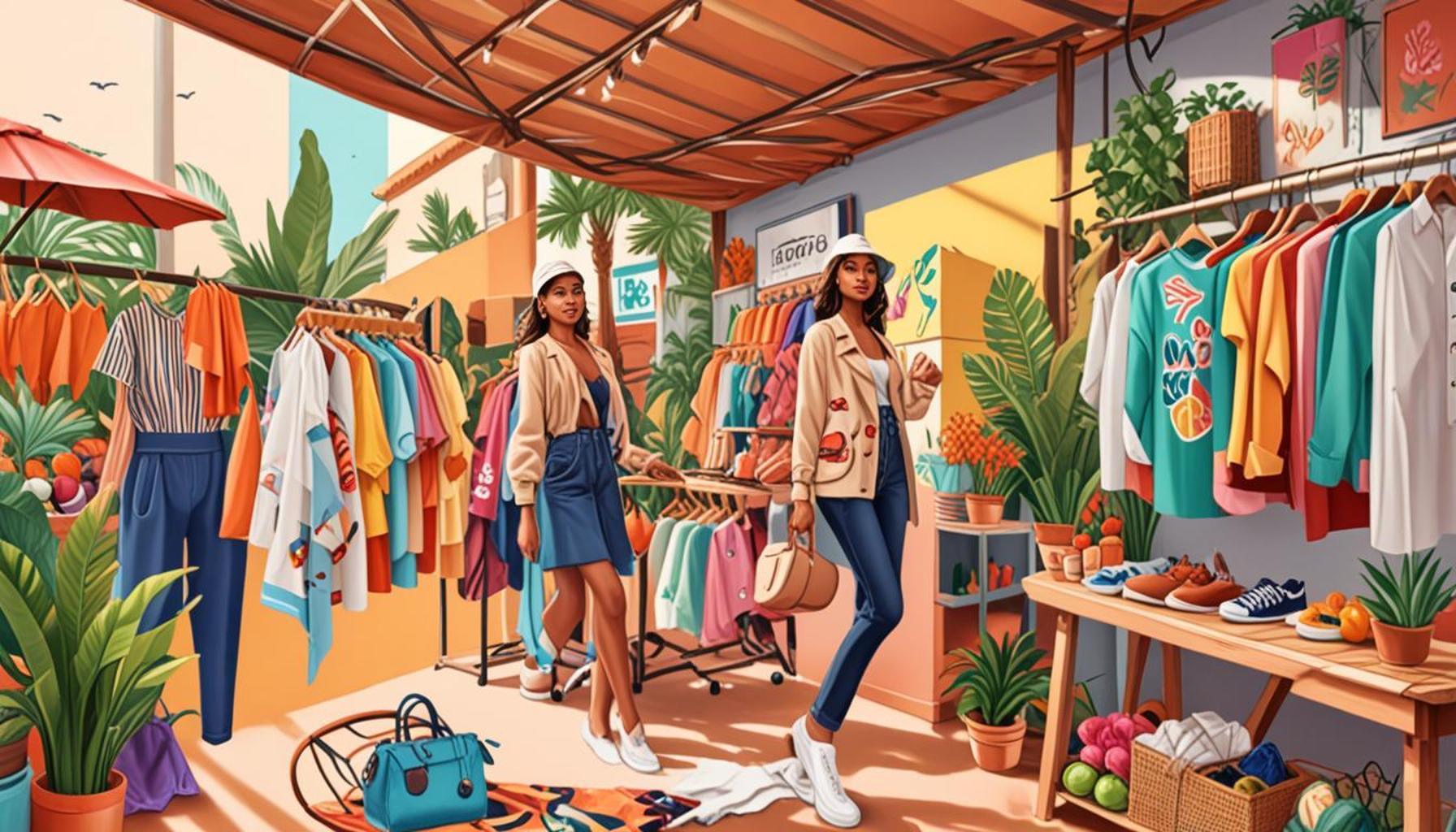
The Influence of Social Media on Shein’s Market Opportunities: Analysis of Trends and Consumer Behavior
The Social Media Revolution in Fast Fashion
Over the past few years, Shein has revolutionized the fast-fashion landscape, and its success is closely intertwined with its masterful exploitation of social media platforms. With a predominantly young consumer base that frequents platforms such as Instagram and TikTok, Shein has effectively utilized these digital spaces to cultivate brand loyalty and drive sales volume, presenting an intriguing case study for marketing professionals and consumers alike.
User-Generated Content
One of the pillars of Shein’s marketing strategy is user-generated content. The brand encourages its customers to post photos and videos of themselves wearing Shein apparel using specific hashtags, creating a vibrant online community. This grassroots marketing approach not only fosters authenticity but also allows potential customers to visualize how the clothes might look in real life. According to studies, a considerable percentage of consumers are more likely to purchase an item after seeing others wear it in a relatable context, a trend that Shein has effectively harnessed.
Influencer Marketing
The second critical element of Shein’s rise is its adept use of influencer marketing. Collaborating with influencers who have large followings, Shein is able to amplify its reach significantly. These influencers often showcase Shein’s latest collections in engaging ways, making the brand’s offerings feel accessible and trendy. For instance, the collaboration with micro-influencers—those with smaller but highly engaged audiences—allows for hyper-targeted marketing efforts that often yield higher conversion rates. Recent campaigns have shown that a single influencer post can lead to a significant spike in sales, exemplifying how effective this strategy can be.
Engaging Trends and Challenges
Trends and challenges on social media, ranging from dance challenges to viral fashion hauls, create a sense of urgency among consumers. Shein’s timely involvement in these trends keeps its brand at the forefront of online discourse. For instance, viral challenges on TikTok can lead to a surge in demand for specific items, and Shein’s responsive logistics enable it to meet these spikes quickly. This agility enhances Shein’s image as a brand in tune with its consumers, making it more appealing to a demographic that values immediate gratification.
Consumer Behavior and Engagement
As we explore Shein’s marketing strategies, it is vital to analyze shifts in consumer behavior. The demand for trendy, inexpensive clothing has prompted a rethinking of traditional retail models. With online shopping booming in the United States, Shein’s focus on affordability and rapid fashion cycles aligns perfectly with consumer expectations. This has attracted a diverse audience that champions Shein for its risk-taking style choices and a vast array of options.
Conclusion
In summary, Shein’s rise to prominence in the fast-fashion market can be attributed to its innovative use of social media for brand engagement, effective influencer partnerships, and the ability to engage with trends that resonate with today’s consumers. As we continue to examine the evolving landscape of social media marketing, it becomes clear that brands like Shein are redefining how businesses interact with customers in a digital-first world. By understanding these dynamics, stakeholders can better navigate future marketing challenges and opportunities.
DISCOVER MORE: Click here to learn about effective email marketing strategies
Harnessing Social Media for Strategic Insights
As the landscape of consumer behavior evolves, Shein has successfully leveraged social media not just as a platform for promotion but as a crucial tool for gathering insights into market opportunities. By analyzing social media interactions and consumer feedback, Shein tailors its offerings to better resonate with the demands of its target demographic. This data-driven approach enables the brand to stay ahead of the curve, shaping its inventory in real-time based on emerging trends that are frequently highlighted across social platforms.
Understanding Consumer Preferences
Recent studies show that nearly 70% of consumers are more likely to discover new brands through social media channels, showcasing the direct link between social engagement and purchasing behavior. With platforms such as Instagram and TikTok serving as primary sources of inspiration for fashion choices, Shein effectively capitalizes on this by:
- Conducting trend analysis based on hashtags and user engagement.
- Monitoring competitor strategies to adapt quickly to market shifts.
- Gathering feedback through comments and direct interactions to refine product designs.
This focus on real-time analytics empowers Shein to align its marketing strategies with consumer preferences, thus enhancing its relevance in a highly competitive industry.
Rapid Turnaround: From Trend to Product
The ability to convert social media trends into products is another essential component of Shein’s strategy. The brand operates on a fast-fashion model that allows it to bring designs from concept to market within weeks, a timeline significantly shorter than the industry average. This speed allows Shein to capitalize on fleeting trends that can arise overnight, particularly through viral challenges or influencer endorsements. For instance, an outfit that quickly garners attention during a TikTok trend can be designed, manufactured, and available for purchase on Shein’s platform within a matter of weeks. This agility not only keeps the inventory fresh but also drives consumers to regularly check back for new arrivals.
Building Community Through Engagement
Another factor that enhances Shein’s market opportunities is its ability to build a vibrant community around the brand. By fostering engagement through various social media campaigns, Shein creates a loyal following that feels personally connected to the brand. Examples include:
- Contests and giveaways that encourage user participation and brand interaction.
- User challenges, where customers show off their Shein outfits with specific themes.
- Personalized marketing driven by data analytics that targets consumers based on their preferences.
This community-driven approach not only enhances customer loyalty but also attracts new consumers who are keen to be part of an inclusive and trendy brand experience.
Conclusion
In conclusion, Shein’s adept use of social media transcends mere marketing. It delves deep into understanding consumer behavior, responding to market trends rapidly, and fostering a strong community. In the following sections, we’ll further explore how these strategies translate into measurable market success and what implications they may have for the future of fast fashion.
Social media has profoundly shaped Shein’s market opportunities, propelling it into a global fashion powerhouse through nuanced understanding of consumer behavior. The brand’s marketing strategy is heavily reliant on various social media platforms, where it engages with a diverse audience, particularly Gen Z. This demographic responds favorably to Shein’s interactive campaigns, which leverage trends and user-generated content to create a sense of community and exclusivity.### Targeted Advertising and Data AnalyticsThe sophistication of Shein’s targeted advertising campaigns is a significant advantage. By utilizing data analytics, Shein identifies trending styles and customer preferences, allowing for rapid design and production cycles. This means that when a trend emerges on social media—be it a particular clothing style or color palette—Shein can immediately incorporate that trend into its offerings. This agility not only keeps consumers engaged but also fosters brand loyalty, as customers trust that Shein will always have the latest trends available.### User-Generated Content and Influencer Collaborations User-generated content plays a pivotal role in Shein’s marketing strategy. By encouraging customers to share their Shein outfits on social media, the brand effectively cultivates a vibrant community where real customers become brand ambassadors. Influencer partnerships further solidify this approach, as social media influencers showcase Shein’s products to their followers, inherently boosting visibility and credibility. Shein’s collaborations with influencers lead to a boost in sales, often translating followers’ admiration into tangible purchases.In conclusion, social media serves as not just a promotional tool for Shein but a vital resource for understanding and responding to consumer behavior. In doing so, Shein captures the essence of fast fashion and remains a relevant player in an ever-evolving market landscape. While examining these trends, it is crucial to consider the implications of Shein’s rapidly changing inventory, which is a direct response to the fast-paced nature of social media. This model not only challenges consumer expectations but also sets new standards in the fashion industry, as the lines between brands and consumers continue to blur. As Shein moves forward, the interplay between social media dynamics and consumer insights will undoubtedly influence its market strategies, ensuring ongoing adaptation to consumer needs and desires.
LEARN MORE: Click here for insights on shopping safely
Maximizing Influencer Partnerships
Influencer marketing has emerged as a powerful strategy for brands in the digital age, and Shein is at the forefront of this movement. By collaborating with a diverse range of influencers, from micro-influencers with niche followings to macro-influencers boasting millions of followers, Shein ensures a broader reach and targeted engagement. According to a recent study, brands earn an average of $6.50 for every $1 spent on influencer marketing, making this approach not only effective but also cost-efficient.
Moreover, Shein’s collaborative campaigns often feature influencers who embody the ethos of the brand—fashion-forward, trendy, and relatable. These partnerships allow the brand to showcase its latest collections in authentic settings, often eliciting immediate consumer interest and driving traffic to its website. For example, during seasonal launches or themed collections, Shein frequently tags influencers in posts that highlight how these pieces fit into real-life scenarios, creating a dynamic visual storytelling experience that resonates with consumers.
Content Creation and User-Generated Content (UGC)
Another pivotal avenue for Shein’s social media strategy is the emphasis on user-generated content (UGC). By encouraging customers to share photos and videos wearing their Shein purchases, the brand not only builds social proof but also fosters a sense of inclusivity among its consumers. This strategy can significantly boost conversion rates; research suggests that 79% of people say user-generated content highly impacts their purchasing decisions.
Shein’s dedicated hashtag campaigns, such as #SheinHaul, allow for an influx of UGC, where consumers can display their outfits and styling tips. This not only amplifies brand visibility but gives potential customers relatable touchpoints to connect with. By featuring UGC on its official social media channels, Shein builds a community feel while simultaneously promoting its products authentically, leading to enhanced trust and credibility.
Data-Driven Marketing Techniques
The integration of advanced analytics in Shein’s marketing campaigns further delineates its competitive advantage. The brand utilizes sophisticated algorithms to evaluate consumer behavior and preferences across social media platforms. This data-driven approach helps identify which products are trending and allows Shein to optimize their marketing efforts accordingly. For instance, through the use of social listening tools, Shein can monitor conversations and sentiment around particular fashion items or styles, which informs their inventory decisions and marketing campaigns.
Additionally, Shein experiments with A/B testing on various marketing messages and visual creatives to pinpoint what resonates best with their audience. This continuous feedback loop facilitates agile adjustments that are essential in fast fashion, where public interest can pivot swiftly. Such informed marketing decisions not only improve engagement but ultimately lead to higher sales conversion rates, showcasing the direct correlation between data utilization and market growth.
Emphasizing Sustainability and Ethical Practices
As consumer consciousness around sustainability and ethical practices rises, Shein is also adapting its messaging on social media to address these concerns. By promoting initiatives focused on sustainability, such as eco-friendly fabrics and responsible sourcing, Shein aims to attract consumers who prioritize ethical considerations in their purchasing behavior. A survey revealed that 66% of consumers are willing to pay more for sustainable brands, indicating a significant market opportunity for Shein to align its practices with consumer values.
By utilizing social media to communicate its efforts in sustainability, Shein can effectively reshape its brand image, making strides toward being perceived as a responsible leader in the fast-fashion industry. This change is critical to capturing the interest of a generation that increasingly values transparency and ethical consumption, establishing a long-term relationship with its customer base.
DIVE DEEPER: Click here to discover more
Conclusion
In an era where the digital landscape shapes consumer behavior, the influence of social media on Shein’s market opportunities is a paramount consideration for the brand’s continued success. Through strategic utilization of influencer partnerships, Shein has cultivated a vast and engaged audience that responds to curated content and authentic storytelling. The data-driven marketing techniques further empower Shein to stay ahead of market trends, allowing the brand to rapidly adapt to consumer preferences with precision.
Moreover, the emphasis on user-generated content (UGC) has enabled Shein to foster a community-oriented approach, enhancing brand loyalty and trust among consumers. This interaction not only humanizes the brand but also positions Shein as a relatable entity in the fast-fashion sector. The alignment of marketing efforts with consumers’ growing demand for sustainability and ethical practices indicates Shein’s responsiveness to the evolving expectations of its customer base.
As we move forward, it is vital for Shein to continue leveraging social media to not only promote products but also to engage in meaningful dialogues with consumers about sustainability and ethical practices. The combination of effective storytelling, community engagement, and data analytics will be key to navigating the competitive landscape of fast fashion. As trends shift and consumer preferences evolve, Shein’s ability to adapt its social media strategies will determine its competitive edge and long-term viability in a dynamic marketplace. Ultimately, to succeed, Shein must continually innovate while remaining attuned to the rhythms of its audience, ensuring that it evolves with the market rather than merely reacting to it.

Linda Carter
Linda Carter is a writer and financial expert specializing in personal finance and financial planning. With extensive experience helping individuals achieve financial stability and make informed decisions, Linda shares her knowledge on our platform. Her goal is to empower readers with practical advice and strategies for financial success.