
The Globalization of Fast Fashion: Expansion Opportunities for Shein in Emerging Markets
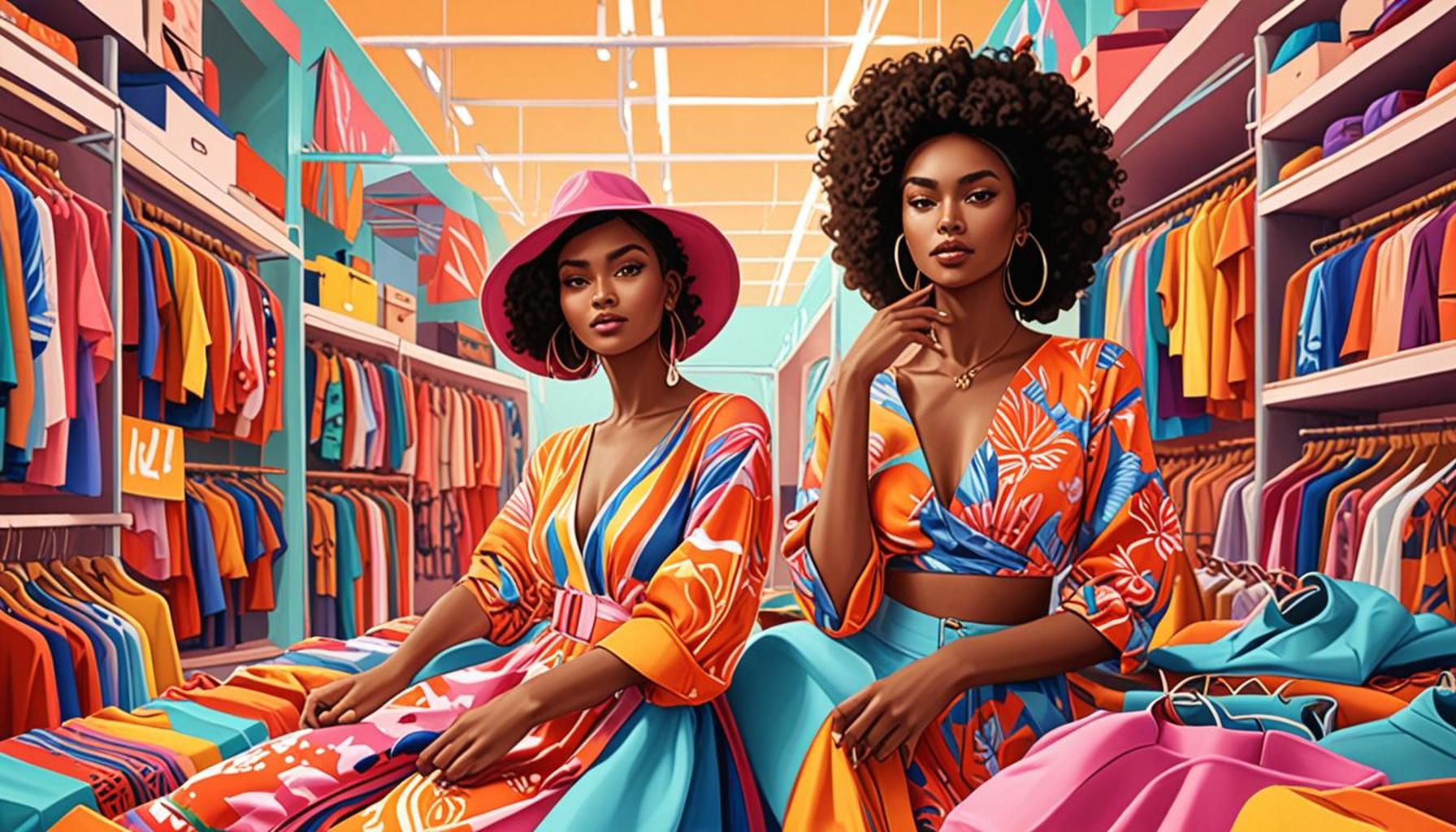
Transforming Fast Fashion in Emerging Markets
The fast fashion industry is not merely changing; it is undergoing a remarkable transformation brought about by the dynamics of globalization. Brands are increasingly targeting emerging markets, recognizing the significant opportunities these regions present. One of the leading players in this evolution is Shein. The company effectively taps into the unique buying habits and cultural preferences of consumers around the world, making significant strides in areas where traditional retail is often lacking.
Opportunities Presented by Emerging Markets
Emerging markets offer several advantages for international brands like Shein that are eager to expand their reach:
- Increased consumer spending: In nations such as India, Brazil, and Indonesia, a rising middle class is emerging, equipped with more disposable income. This trend fosters a new segment of consumers who are eager to engage in shopping and are on the lookout for affordable yet trendy clothing.
- Digital connectivity: The proliferation of smartphones is transforming how consumers shop. With over 3 billion smartphone users worldwide, access to online shopping platforms is easier than ever. This connectivity is fueling a shift towards e-commerce, particularly among younger demographics who prefer shopping online.
- Cultural trends: Young consumers are increasingly seeking rapid updates in fashion, yearning for styles that resonate with current trends. For instance, Shein’s ability to produce and deliver new collections rapidly allows it to cater to this insatiable demand for freshness and novelty.
Strategic Approaches and Social Media Integration
Shein employs a robust social media strategy to engage with its audience, creating a community centered around fashion. Platforms like Instagram and TikTok enable the brand to promote its extensive catalog of styles through influencer partnerships and user-generated content. This direct-to-consumer model not only enhances accessibility but also builds a loyal customer base.
The company’s nimbleness in quickly adapting collections based on regional fashion preferences gives it an edge over competitors. For instance, Shein may release specific lines that reflect local events or cultural inspirations, making it not just a retailer but a part of the cultural conversation in various communities.
Navigating Challenges ahead
Despite these advantages, the path to expansion is fraught with challenges. Brands like Shein must navigate complex logistical concerns, such as supply chain optimization and fulfillment processes, especially in regions with less developed infrastructure.
Additionally, regulatory hurdles can be significant. Each market comes with its own set of rules regarding taxation, labor laws, and environmental regulations that require careful adherence. Ethical concerns also loom large, particularly in fast fashion, where sustainability and labor practices are increasingly scrutinized by consumers.
As Shein continues to find its footing in emerging markets, understanding the implications of its growth becomes crucial. The brand’s evolution serves not only as a case study in successful business strategy but also raises important conversations about the future of fashion in a rapidly changing global landscape. Consumers and industry observers alike would do well to consider both the benefits and challenges that accompany this massive shift.
DISCOVER MORE: Click here to learn about AI’s impact on personalized shopping</p
Understanding the Appeal of Fast Fashion in Emerging Markets
As Shein ventures further into emerging markets, it uncovers a wealth of opportunities that are distinctively intertwined with the cultural and economic fabric of these regions. The surge in demand for affordable and trend-driven clothing has birthed a new era in retail, one where brands must innovate and adapt to the ever-evolving preferences of their target audiences.
Consumer Behavior: The Shift Towards Fast Fashion
Fast fashion’s rapid ascent in emerging markets is largely driven by a few pivotal consumer behavior trends:
- Youthful Demographics: A significant portion of the population in countries like Vietnam, Nigeria, and Mexico is under the age of 30. This millennial and Gen Z demographic is digitally savvy, seeking fashion that is not only trendy but also accessible in terms of price. For these young consumers, Shein’s offerings fit seamlessly into their fast-paced lifestyles where the latest looks are just a click away.
- Social Influence: The power of social media cannot be overstated. Influencers and online communities have a profound impact on purchasing decisions, encouraging consumers to explore and embrace fast fashion. Shein capitalizes on this trend by leveraging user-generated content and influencer partnerships to create aspirational shopping experiences that resonate strongly with their audience.
- Desire for Variety: Today’s shoppers crave diverse fashion choices. Shein’s broad assortment of styles and its commitment to frequent product turnover mean that consumers are continually presented with new options. This approach not only keeps the shopping experience fresh but also taps into the psychological need for novelty—a powerful motivator for repeat purchases.
Manufacturing and Supply Chain Advantages
Shein’s manufacturing model is another critical factor that underpins its success in emerging markets. Unlike traditional retailers who rely on long lead times, Shein employs a just-in-time production strategy that allows it to respond quickly to fashion trends. This nimbleness is crucial in markets that are still developing their retail infrastructure, as it mitigates risks associated with unsold inventory and allows for rapid scale-up of popular items.
Moreover, Shein’s extensive use of data analytics enables the company to predict trends and optimize its supply chain efficiently. By understanding consumer preferences in real time, the brand can pinpoint what styles are likely to resonate well in specific markets, ensuring that inventory aligns with local tastes. This data-driven approach not only enhances operational efficiency but also cultivates customer loyalty through personalized shopping experiences.
Positioning Shein as a Global Player
In leveraging both cultural insights and technological advancements, Shein aims to position itself as a global icon of affordable fashion. The brand’s adaptability in addressing the nuances of different markets strengthens its foothold not just as a retailer, but as a cultural influencer. As fast fashion continues its trajectory of growth in emerging regions, Shein is not only contributing to redefining the retail landscape, but also prompting essential discussions about sustainability, ethical production, and consumer responsibility.
| Market Insights | Strategic Advantages |
|---|---|
| Emerging markets like India and Brazil present a young and fashion-conscious population seeking affordable clothing. | Shein’s agile supply chain allows for rapid response to market trends, ensuring that products align with local preferences. |
| Increased internet access facilitates e-commerce growth, making shopping online more accessible for consumers. | Shein’s digital marketing strategies, such as influencer partnerships, enhance customer engagement and brand visibility. |
Expanding further on the strategic move in emerging markets, Shein capitalizes on the growing disposable incomes of middle-class consumers. These demographics are more willing to spend on fashion, contributing to a vibrant demand for affordable yet stylish apparel. The incorporation of local trends into their fashion line ensures cultural relevance, appealing directly to the target audience.Moreover, Shein’s ability to leverage data analytics for understanding consumer behavior allows it to fine-tune its offerings, thus increasing sales efficiency. The growth trajectory of fast fashion in these emerging markets illustrates significant untapped potential, with online platforms creating opportunities previously nonexistent in traditional retail spaces. As Shein continues to expand, it sets benchmarks on sustainability efforts that may resonate well with environmentally-conscious consumers, paving a path towards responsible fast fashion. This combination of adaptation and innovation signifies Shein’s pivotal role in reshaping the landscape of global fast fashion while capitalizing on emerging market trends.
DIVE DEEPER: Click here to learn more
Challenges and Strategies for Shein in Emerging Markets
While the appeal of fast fashion in emerging markets presents strategic opportunities for Shein, the brand also faces a variety of challenges that require astute navigation. As the company endeavors to expand its footprint, understanding regional complexities and consumer behavior will be vital.
Regulatory Environment and Trade Barriers
Navigating the regulatory landscape in emerging markets poses significant challenges. Governments may impose stringent regulations concerning labor practices, environmental impact, and import tariffs. For instance, nations such as India and Brazil have gradually ramped up their scrutiny on foreign retailers, aiming to promote local businesses and ensure compliance with national labor laws. Shein must adapt its operational frameworks to meet these regulations, potentially incurring additional costs in the process.
Furthermore, trade barriers can inhibit the free flow of goods, complicating logistics and increasing delivery times. To mitigate these risks, Shein could consider establishing local partnerships or supply chains that allow for a more agile response to regulatory changes while reducing transportation costs. Local collaborations could also bolster brand authenticity and foster community ties, enhancing consumer loyalty.
Building Brand Loyalty Amidst Competition
With numerous competitors vying for attention in the fast fashion sector, establishing brand loyalty in emerging markets is critical. Although Shein may initially attract consumers with its price point and trendy offerings, sustaining that interest requires long-term strategies. Engaging customers through immersive marketing, loyalty reward programs, and personalized shopping experiences can significantly enhance brand perception.
The role of influencers remains paramount in these strategies. Shein could dive deeper into local influencer partnerships, curating campaigns that resonate with regional cultural narratives, thus appealing to emotional triggers. By creating relatable content, Shein can reinforce its image as a brand that understands and values local customs—a formidable approach in a market where community-centric values thrive.
Sustainability in Emerging Markets
Another pressing consideration is the growing demand for sustainable practices. As global awareness of environmental issues rises, particularly among younger consumers, Shein must confront questions surrounding its ecological footprint and ethical sourcing. In emerging markets, consumers are becoming increasingly conscientious about the brands they support. This societal shift invites Shein to reassess its production strategies, investing in sustainable materials and transparent supply chains.
To address these concerns, Shein could launch initiatives tailored specifically for consumers in emerging markets, such as recycling campaigns or partnerships with local artisans that promote eco-friendly fashion. Showcasing these efforts on social media can earn consumer trust and set Shein apart in an overcrowded market.
The Role of Technology in Market Penetration
Finally, the utilization of technology stands as a pivotal driver in Shein’s expansion into emerging markets. With mobile shopping on the rise, especially in regions where smartphone penetration is high, Shein should enhance its mobile app experience and invest in localized digital marketing strategies. Strategies like augmented reality fitting rooms and virtual try-ons can offer unique shopping experiences, increasing consumer engagement.
Additionally, Shein has an opportunity to tap into emerging technologies like artificial intelligence and machine learning to refine inventory management and further personalize the consumer experience. Data-driven insights can optimize product offerings to better meet local fashion tastes, ultimately fostering a sense of community in a fast-evolving digital landscape.
DIVE DEEPER: Click here to discover more insights
Conclusion
As Shein navigates the complexities of the global fast fashion landscape, its expansion into emerging markets provides a multifaceted canvas of opportunity and challenge. The company’s journey underscores the importance of understanding local consumer behavior and cultural nuances while adapting to regulatory frameworks that evolve swiftly. With careful attention to these dynamics, Shein can cultivate a robust market presence that aligns with regional expectations and consumer desires.
Central to this growth will be the establishment of brand loyalty through innovative marketing initiatives, local partnerships, and sustainable practices. By prioritizing eco-friendly initiatives and engaging with influencers that resonate with local audiences, Shein can harness the power of community and authenticity—a critical advantage in markets filled with diverse competition. Moreover, leveraging technology to enhance the shopping experience will not only meet the expectations of the digitally savvy consumer but will also position Shein as a forward-thinking brand committed to providing tailored services.
In summary, the future of fast fashion in emerging markets is ripe with potential. Shein’s ability to adapt, innovate, and connect with consumers on a deeper level will be vital in cementing its place as a leader in this evolving sector. As the brand continues to explore and build its presence globally, it must remain vigilant and responsive to the shifting tides of consumer consciousness and market demands. The road ahead is promising, yet it demands an unwavering commitment to thoughtful operation and genuine engagement.

Linda Carter
Linda Carter is a writer and financial expert specializing in personal finance and financial planning. With extensive experience helping individuals achieve financial stability and make informed decisions, Linda shares her knowledge on our platform. Her goal is to empower readers with practical advice and strategies for financial success.